
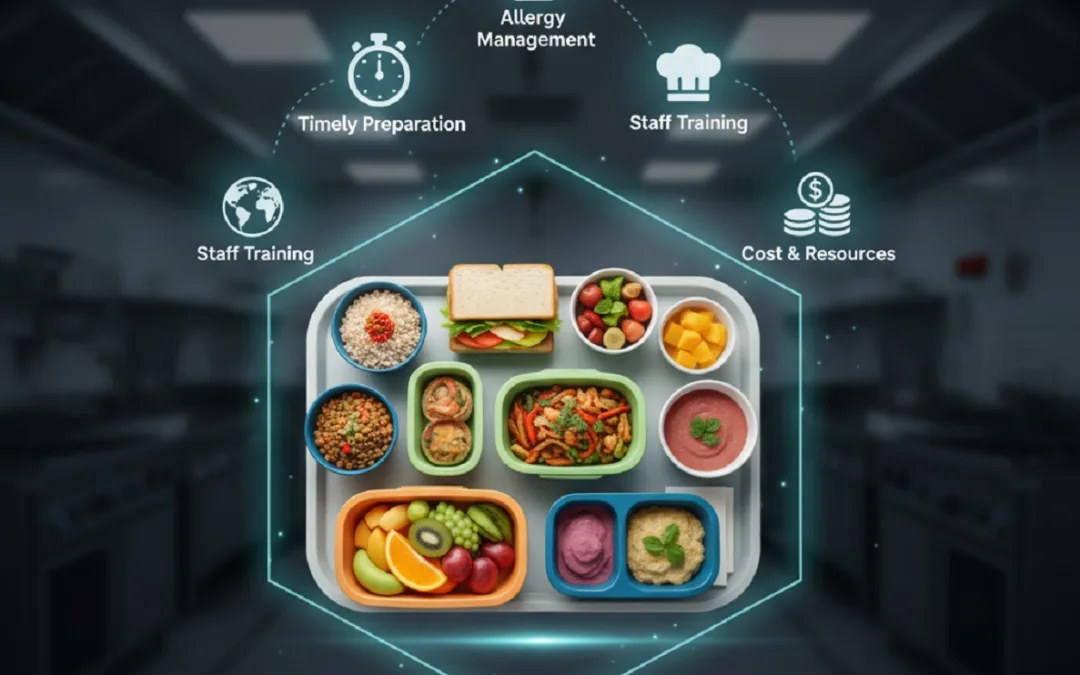
In a bustling hospital at 7 a.m., the kitchen staff starts the day not by serving breakfast to scores, but by providing therapy in the form of food. A patient requires a low-sodium diet after cardiac surgery. Another requires soft foods for stroke recovery. A third requires a diabetic meal that is both flavorful and keeps glucose levels in check. For healthcare kitchens, food is not about nutrition; it’s medicine on a plate.
In modern hospitals, food service teams are presented with an escalating challenge: serving hundreds of patients, employees, and visitors, each with distinct dietary needs, and ensuring taste, safety, and clinical accuracy. This is where Big Plate Kitchens comes in, redefining hospital food services in dehi/gurgaon with precision, empathy, and innovation.
Sympathising with the Complexity of Healthcare Nutrition
Food service in a health care environment is not like any other catering business. Each meal needs to be coordinated with a medical objective like recovery, replenishing energy, or bringing comfort. It has also been observed that patient recovery is attributed to adequate nutrition and hydration, making the function of hospital kitchens pivotal in outcomes of care.
At Big Plate Kitchens, we specialise in medical meal services to aid in this healing process. Our hospital contract programs are designed to meet the hospital standards to guarantee that each plate we serve is safe, balanced, and aligned with physician-approved diets.
Our hospital cafeteria management in dehi/gurgaon, is designed for precision. From low-sodium cardiac diets to diabetic-friendly and high-protein meals, each meal is crafted with a mission to heal. Every meal is taste-tested, overseen by certified dietitians, and served on time to provide patients with the nutrition they require at the time they need it.
Key Challenges in Serving Diverse Dietary Needs
Healthcare food service operators have to forever manage the priorities of nutrition, safety, and satisfaction. The following are some of the greatest challenges in medical food services today:
1. Diverse Dietary Limitations
- Hospitals serve patients with various disorders like diabetes, hypertension, kidney disease, post-surgery recovery, or allergies.
- Every condition requires a specific nutritional profile, and every miscalculation affects patient health.
2. Maintaining Clinical Accuracy
- Every meal needs to follow doctor-recommended directions, calorie levels, and sodium restrictions.
- This involves careful planning of menus, portioning, and effective communication between nutritionists and cooks.
3. Maintaining Hygiene and Safety
- The healthcare setting necessitates the highest standards of food safety.
- Big Plate Kitchens have complete HACCP compliance, rigorous sanitisation procedures, and temperature control systems in place.
4. Combining Taste with Therapeutic Value
- Patients tend to lose their appetite during recovery. The challenge is to ensure that food is nutritious yet appetising.
- Our culinary staff emphasises texture, presentation, and comforting flavours that support healthy eating behaviour.
How Big Plate Kitchens Addresses These Challenges
We engage with each healthcare partnership with compassion and accuracy. Our hospital cafeteria management services are grounded in clinical nutrition and operational excellence.
Our Core Services
- Patient Meal Services: Tailored, dietitian-approved meals for every type of patient.
- Staff Cafeteria Operations: High-energy, healthy meals to fuel healthcare workers with long shifts.
- Visitor & Guest Dining: Comfort food in convenient formats, from grab-and-go counters to full-service cafes.
- Clinical Nutrition Consulting: Registered dietitians work with medical teams for precision and compliance.
- Full-hospital cafeteria management: Complete operations from procurement to staffing to hygiene audits.
Our system allows hospitals to concentrate on care while we manage the intricacies of food service, from diet planning to timely meal delivery.
The Human Side of Hospital Food
Behind each tray we serve, there is compassion and care. Food has a psychological function in recovery as it comforts, reassures, and restores strength. Well-nourished patients recover more quickly, respond better to therapies, and are emotionally nurtured.
That’s why Big Plate Kitchens combines clinical accuracy with human empathy. Our teams don’t merely prepare meals and handle hospital cafeteria management, but they also listen, modify, and make meals feel like home, even within medical limitations. From a soft, fragrant khichdi to a delicately spiced soup, we make hospital food home food.
Trends Shaping the Future of Healthcare Food Services
Healthcare dining is changing rapidly. Hospitals are no longer viewing food service as a secondary activity but as an integral component of patient care. Some of the new trends are:
- Digital Diet Tracking: Sophisticated software now follows patients’ diets in real-time to provide accuracy.
- Sustainable Sourcing: Hospitals increasingly demand locally sourced ingredients to minimise carbon footprint and enhance freshness.
- Staff Well-being: Energy, immunity, and mental well-being menus are becoming increasingly popular in staff restaurants.
- Data-Driven Nutrition: Leveraging analytics to quantify food wastage, nutritional compliance, and patient satisfaction.
Here at Big Plate Kitchens, we are implementing these trends actively, keeping our hospital cafeteria management ahead of the curve, accurate, sustainable, and people-focused.
Redefining Healing Through Food
Nutrition is now the hidden pillar of modern healthcare. For Big Plate Kitchens, our goal is to make every hospital meal count not simply as nutrition, but as part of the recovery process.
From dietitian-approved menu planning to 24/7 operational support, we provide medical food services that are driven by science and infused with compassion. Why? Because in healthcare, every meal is a chance to heal, and every plate of food we serve is a guarantee of care.
FAQs
1. What are Patient Meal Services in hospitals?
Patient Meal Services are personalised meal plans being prepared as per the medical condition of a patient, his/her prescribed diet, and nutritional requirements within hospital environments.
2. How are medical meal services beneficial for patient recovery?
Medical meal services provide each meal for healing through balanced nutrition tailored to clinical and therapeutic needs.
3. What are the characteristics of a reliable hospital food service provider?
A trustworthy Hospital Food Service provider remains HACCP compliant, has trained dietitians on staff, and provides accurate, timely delivery of meals to patients and hospital staff.
4. Why are specialist medical food services necessary for healthcare institutions?
Medical food services are crucial as they avoid eating mistakes, regulate chronic diseases, and enable quicker recovery with clinically precise nutrition.
5. Do hospital food services serve staff and visitors as well?
Yes, the majority of hospital food services, such as Big Plate Kitchens, include extensive dining solutions for staff cafeterias and visitor meals in addition to patient diets. They provide the best hospital cafeteria management.